
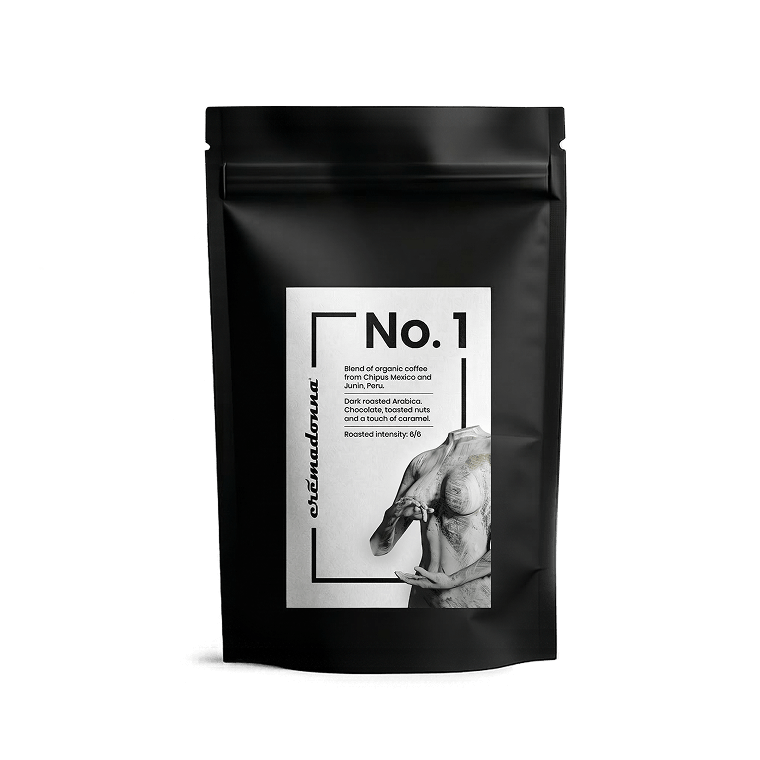
cremadonna No. 1 is our dark-roasted signature blend – uncompromising, luxurious, and curated down to the finest detail. Crafted with high-end, certified organic specialty coffee beans from Mexico and Peru, it delivers an espresso with profound character: bold, concentrated, and aromatic like a fine fragrance.
In the cup, No. 1 expresses exactly what lovers of darker roast profiles crave – dark chocolate, toasted nuts and a touch of caramel. The body is creamy and dense, the bitterness controlled and elegant, and the finish long and warming. Whether enjoyed as a pure espresso or an intense black coffee, No. 1 offers that unmistakable sense of “more” – more depth, more presence, more pleasure.
For those who don’t simply drink coffee, but celebrate it.
Whole beans, roasted.
€ 33,50 per 500g bag
€ 67,00/kg
plus a flat rate of € 6,90 for shipping worldwide
No. 2
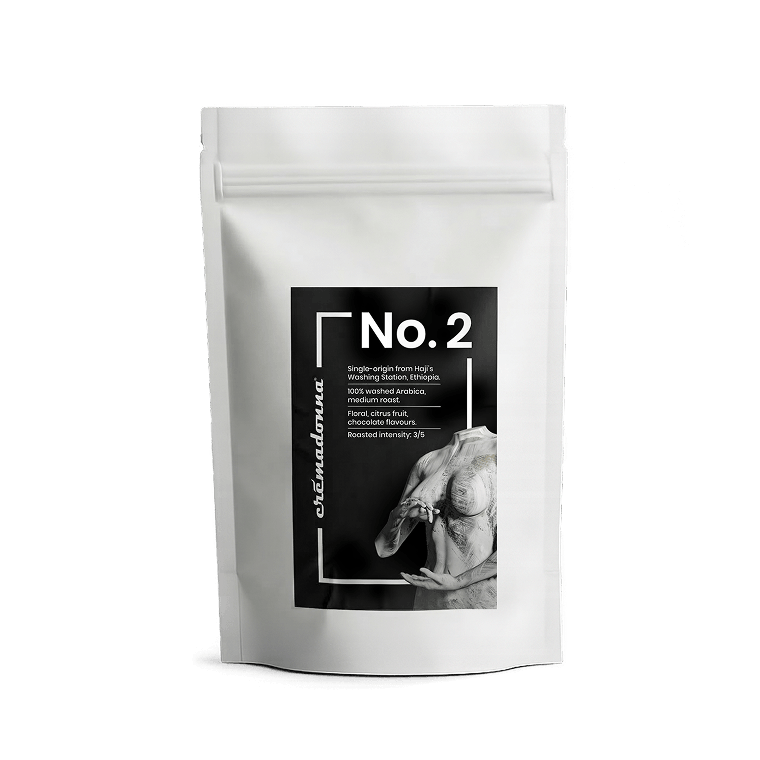
Ethiopia isn’t just an origin – it’s a coffee universe of its own. And No. 2 is our tribute to that magic: a luxury Sidama coffee that shows how captivating coffee can be when origin, craft, and taste come together in perfect harmony.
True to Ethiopian Sidama, No. 2 opens with an elegant, sweet floral aroma and then unfolds into a complex interplay of stone fruits and berries. A bright, crystalline acidity brings energy, while a silky, full-bodied texture holds everything together. The aftertaste is long, clean, and layered – a truly memorable cup.
For newcomers, No. 2 is a “wow” moment. For connoisseurs, it’s an invitation to discover nuance, sip after sip. Distinctive. Precise. Unforgettable.
Whole beans, roasted.
€ 30,50 per 500g bag
€ 61,00/kg
plus a flat rate of € 6,90 for shipping worldwide
cremadonna coffee prices include 7% VAT (Germany). Any applicable customs duties are not included.
We don’t drink coffee to wake up.
We wake up to drink coffee!
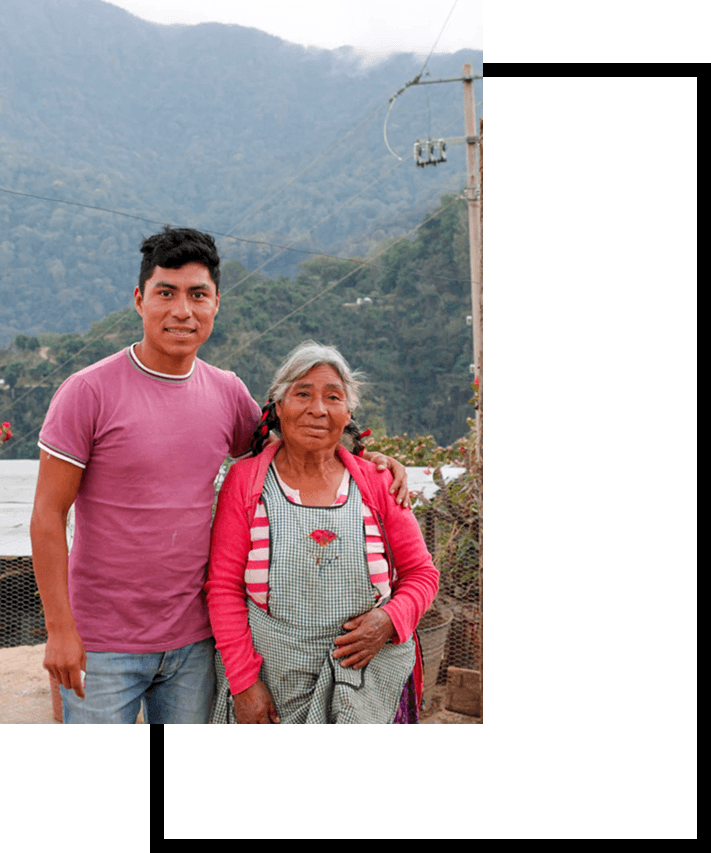
In Mexico, our roastery Amokka works closely with Edelmira to source coffees grown under protective forest canopies, supporting biodiversity and sustainable agriculture. Through their Impact Trade initiative, they fund satellite internet connections for local schools, directly improving educational opportunities for children of coffee-farming families.
In Peru, beans are sourced from the central jungle in the Junín region, specifically the districts of Pichanaqui and surrounding areas within the Chanchamayo and Satipo provinces. The coffee is grown at altitudes between 1,000 and 1,800 meters above sea level by members of the Cooperativa Agraria Tropicals Products. Tropicals was founded in 2018 by young professionals from coffee-growing families who wanted greater control over quality and commercialization.
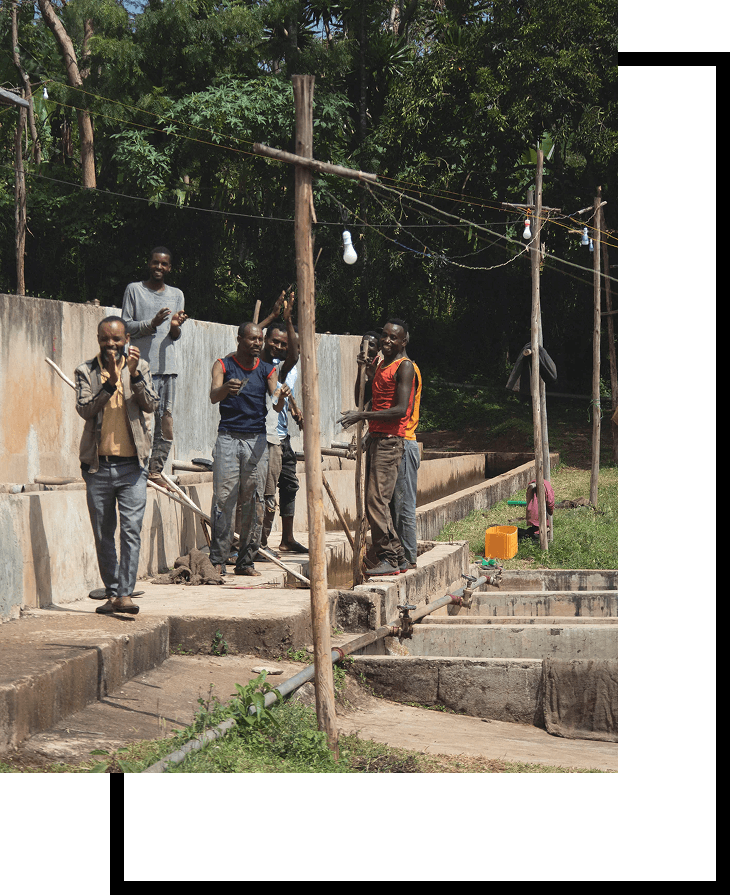
Coffee trading and processing in Ethiopia follow a unique structure, shaped by both tradition and regulation. Unlike in many other coffee-producing countries, where farmers often process and sell their own coffee, Ethiopian smallholder farmers typically deliver their cherries to a central washing station. These stations play a crucial role in maintaining quality, as they oversee fermentation, washing, and drying, steps that significantly influence the final cup profile.
Hadji’s Station in Sidama is one such place, where coffee is processed using the washed (or wet) method. This technique is known for producing clean, bright coffees with pronounced acidity and floral or citrus notes. The process starts when farmers arrive with freshly harvested cherries. In contrast to the traditional system, where farmers might have to wait months to receive payment, Hadji and his team pay them immediately upon delivery. This small but important change provides stability for farmers while ensuring a steady supply of ripe, high-quality coffee.
cremadonna No. 1 and No. 2 are roasted by Amokka, a Copenhagen-based coffee roastery focused on clarity, balance, and traceability, using coffees sourced directly at origin.
At cremadonna and Amokka, it is believed that great coffee should benefit not just those who drink it but also those who grow it. That’s why they created Impact Trade a sourcing model that prioritizes long-term partnerships, fair pricing, and direct investment in farming communities. Instead of relying on third-party certifications, the roasters work directly with producers, paying higher prices for quality coffee and supporting community-driven initiatives that make a tangible difference.
With this approach we contribute to projects such as education, clean water access, infrastructure improvements, and sustainability efforts – always in collaboration with farmers to ensure the support goes where it’s needed most. By fostering transparency and local ownership, we are proud to support our Danish partner helping create a supply chain where quality and ethical responsibility go hand in hand.
Why Impact Trade Instead of Certification?
Certification programs like Fairtrade and Rainforest Alliance have raised awareness about ethical sourcing, but they operate within fixed frameworks that don’t always fit the realities of speciality coffee production.
Rather than paying for certification labels, Amokka takes a more direct approach – negotiating higher prices for quality coffee, maintaining close relationships with farmers, and investing in targeted community projects like clean water access and education. At the end this allows cremadonna consumers to support producers in ways that are more flexible, transparent, and effective.